

How Retreats Reset Your Nervous System: Sleep and Sound
Aug 11, 2026
A "nervous system reset" is retreat marketing language for something quite ordinary: several consecutive days where your body gets consistent sleep, low stimulation, and no urgent demands. That is not a medical treatment and no retreat should claim to be one. But the underlying mechanisms, the parasympathetic response, cortisol rhythms and sleep pressure, are real physiology, and a well built retreat week stacks the conditions that let them do their normal work. This post explains those mechanisms plainly, separates what research points to from what retreat marketing claims, and lists retreats that are honestly structured for rest.
In this article
- What does "nervous system reset" actually mean?
- What does the research point to?
- Why does a retreat do what a weekend at home does not?
- Which retreats are built for this?
- Can you keep any of it at home?
- FAQ
What does "nervous system reset" actually mean?
Your autonomic nervous system has two broad modes. The sympathetic branch mobilizes you: heart rate up, attention narrow, ready to act. The parasympathetic branch does the opposite: it slows the heart, aids digestion, and supports repair. Both are healthy. The problem most retreat goers describe is not a broken nervous system but a lopsided week: too many hours in mobilized mode, too few in recovery mode.
So when a retreat promises a reset, the honest version of that promise is: we will remove the things that keep tipping you into sympathetic mode (alerts, deadlines, late screens, decisions) and fill the day with things associated with parasympathetic activity (slow breathing, gentle movement, regular meals, early nights). No needles, no magic. Structure.
What does the research point to?
Three mechanisms come up again and again, and each can be stated without overclaiming.
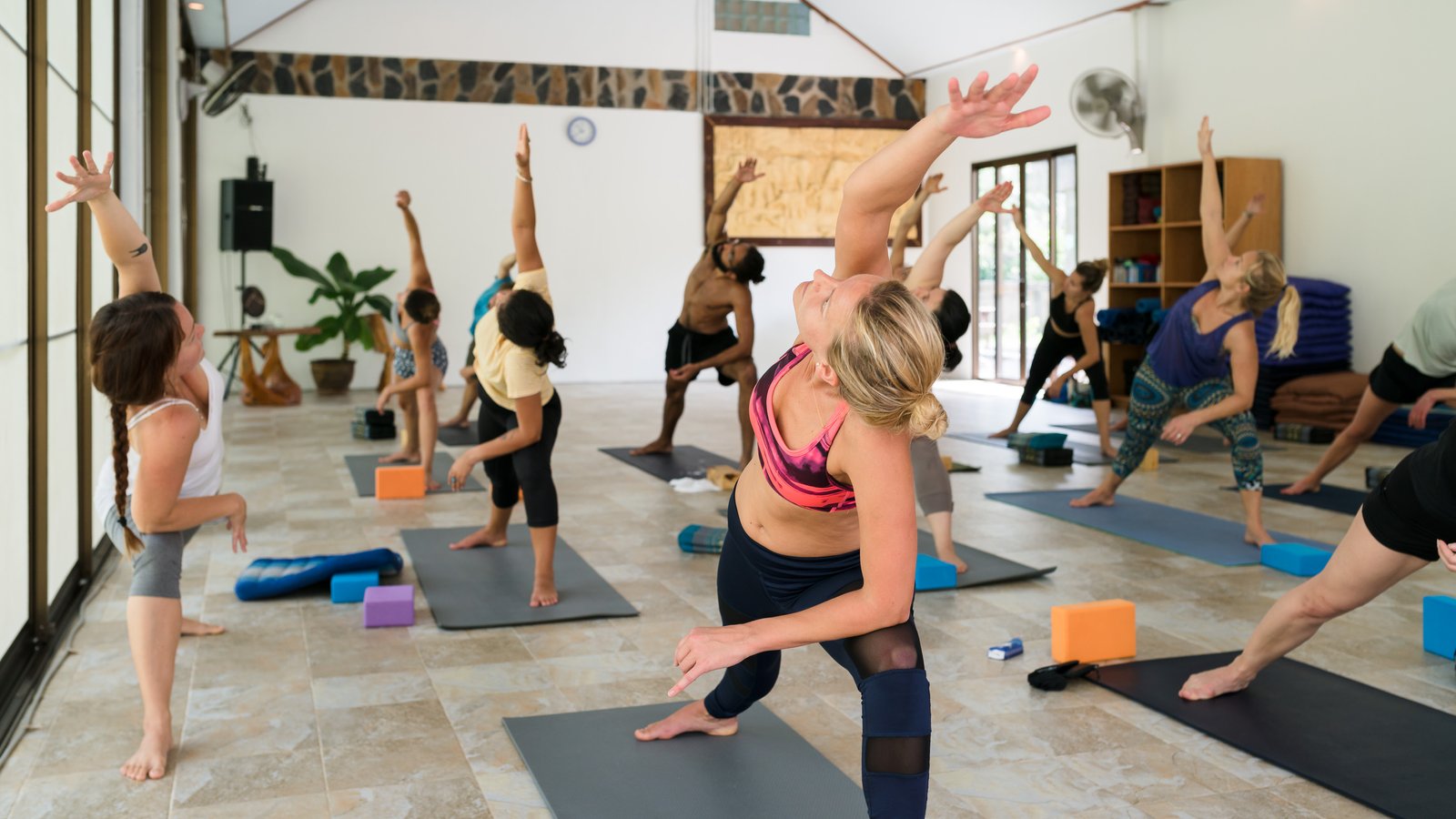
Slow breathing and the parasympathetic response. Research on paced, extended exhale breathing consistently measures short term shifts toward parasympathetic activity, seen in heart rate variability. Yoga classes and meditation sessions are, among other things, an hour of exactly that breathing. What the research does not show is that one week produces permanent change. The retreat goers we hear from tend to agree: the effect is real and it fades unless you keep some practice going.
Cortisol rhythm. Cortisol is a hormone that follows a daily curve, normally highest shortly after waking and lowest at night. Irregular sleep, late night light and constant alerting can flatten or shift that curve. Retreat days are almost comically regular: wake at 7, practice, eat, rest, practice, eat, sleep by 10. A few days of that regularity gives the rhythm a fair chance to settle into its normal shape. That is a plausible mechanism, not a promised outcome, and anyone with a diagnosed condition should be talking to a clinician, not a retreat organizer.
Sleep pressure. Adenosine builds in your brain across waking hours and creates the drive to sleep. Caffeine blocks it; late screens and stress delay your response to it. Retreats quietly fix all three inputs: most serve little or no coffee after morning, take your evenings offline, and tire your body with movement. People who report "the best sleep in years" on night three are usually experiencing normal sleep pressure working without interference for the first time in a while.
Why does a retreat do what a weekend at home does not?
Because at home you are still the one holding the schedule. The dishwasher, the group chat and the fridge all remain your job. A retreat outsources every decision for five to seven days, and the research on habit and stress points to decision load itself as a meaningful drain. Removing it is half the product.
The other half is duration. One quiet evening rarely shifts anything; most retreat goers report the noticeable change landing on day two or three, which is exactly what you would expect if sleep debt and an overworked stress response need consecutive good days, not one. This is also why silence works for many people: it removes even conversation from the decision pile. If that idea intrigues and slightly scares you, our silent retreat post covers what those days actually feel like.
Which retreats are built for this?
This article contains affiliate links. If you book a retreat through them, we may earn a commission at no extra cost to you. It never affects the price you pay. Read our full disclosure.
Two categories do the heavy lifting: silent retreats (62 listings) and digital detox retreats (109 listings). A few specific options from the current listings:
| Retreat | Where | Length | From about | Rating |
|---|---|---|---|---|
| Brain and Nervous System Reset | Albufeira, Portugal | 6 days | $2,469 | 4.7 (27 reviews) |
| Silent Zen Meditation and Yin Yoga | Algarve, Portugal | 7 days | $818 | 4.85 (35 reviews) |
| Yoga and Digital Detox with excursions | Tenerife, Spain | 4 days | $654 | 4.8 (15 reviews) |
| Digital Detox, Culture and Spa | Bali, Indonesia | 7 days | $700 | 4.55 (19 reviews) |
| Detox, Meditation and Yoga | Koh Phangan, Thailand | 12 days | $1,104 | 4.7 (726 reviews) |
Prices and dates change, check the listing for current availability. A note on the Oxala reset week: at $2,469 for six days it costs three times the silent Algarve option a short drive away. You are paying for one to one attention and hotel level comfort. Whether that is worth it depends on your budget more than your nervous system; the cheaper silent week runs on the same underlying mechanisms.
Can you keep any of it at home?
The honest answer: some, with effort. The two pieces retreat goers most successfully carry home are the fixed wind down hour and a sensory cue that marks it. On retreat, that cue is often sound, a bowl or chime played at the start of the evening session. Sustained harmonic sound gives the mind a single soft thing to attend to, which is why sound sessions sit inside so many rest focused programs. We compare the instruments involved in our gong bath vs sound bath explainer, and the wider retreat landscape in the complete guide to yoga and sound retreats.
A simple home version of the ritual: same time each evening, screens away, lights low, and one consistent sound to open the hour. A chime works well because it asks nothing of you; brush it once and let it fade.

A soft, low tuning suited to the end of the day. Keep it in a sheltered indoor spot near where you unwind.

Rotates up to four Koshi or Zaphir chimes slowly so the sound continues on its own while you settle. The indulgent option, not the necessary one.
Frequently asked questions
Can a retreat cure anxiety or burnout?
No, and be wary of any listing that says it can. Retreats provide rest conditions that many people find genuinely helpful, but they are not treatment. If you are dealing with a diagnosed condition, involve a clinician in the decision and treat the retreat as a holiday, not therapy.
How long does a retreat take to affect sleep?
Most retreat goers report noticeably deeper sleep by the second or third night, which matches how sleep pressure and regular schedules work. The effect fades after you return unless you keep some of the routine, particularly consistent bed times and a screen free final hour.
Is silence necessary for a nervous system focused retreat?
No. Silence removes decision load and social effort, which suits some people, but digital detox retreats with normal conversation report similar rest benefits. Choose by temperament: if five silent days sound like relief, try silent; if they sound like punishment, do not.
What is the cheapest way to try this?
From the current listings, the 4 day Tenerife digital detox from about $654 or the 7 day silent Algarve retreat from about $818 are the accessible entry points in Europe, and the 12 day Koh Phangan program from about $1,104 gives the longest stretch per dollar if you can make the flight worthwhile.
Ready for a week that runs itself?
Browse digital detox retreats with current dates and prices. Enquiring is free and holds nothing against you.
Browse digital detox retreats →
